I’m a Skincare Beginner. Is Nivea a Good Starting Brand Compared to Garnier?
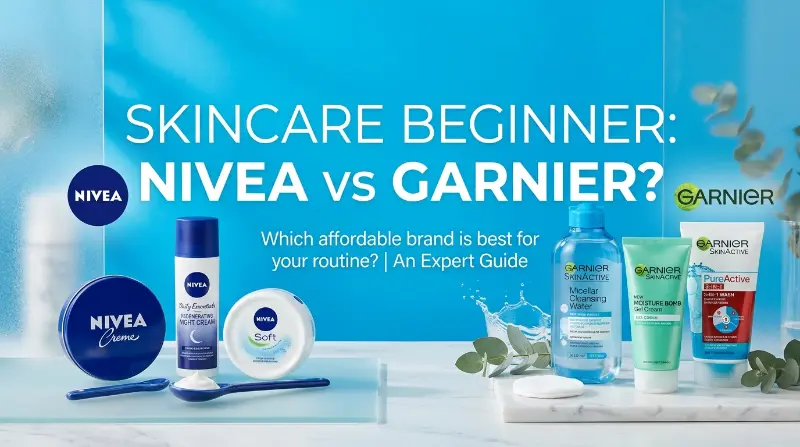
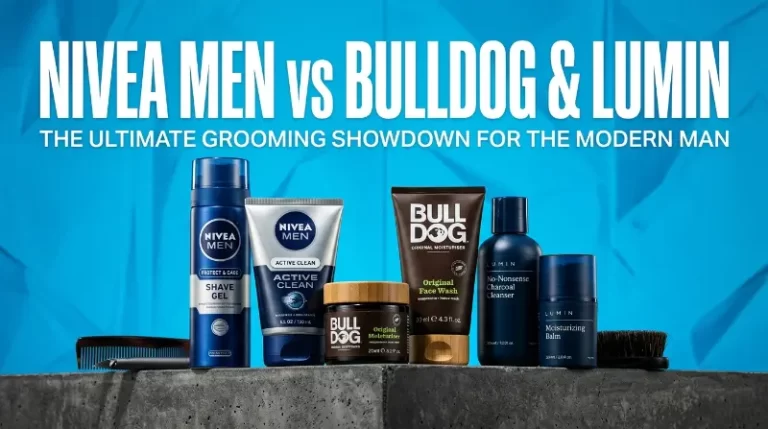
If you are brand new to skincare, the drugstore aisle can feel overwhelming, and two blue-and-green giants stand out: Nivea and Garnier. Nivea is an affordable German brand (made by Beiersdorf, famous for its blue tin) built around gentle, simple hydration. Garnier is an affordable French brand (part of the L’Oréal group) known for trend-driven, results-focused products loaded with active ingredients. Both are cheap, both are everywhere in the US — but they suit different beginners. This guide breaks down which one you should start with.
Nivea vs Garnier: Quick Comparison at a Glance
Here is the fast side-by-side for a total beginner. Nivea leans toward gentle simplicity, while Garnier leans toward variety and active ingredients like Vitamin C and salicylic acid.
| Factor | Nivea | Garnier |
|---|---|---|
| Gentleness | Winner | Good |
| Simplicity | Winner | More choices |
| Actives | Fewer | Winner |
| Dry skin | Winner | Okay |
| Oily skin | Okay | Winner |
| Price & value | Tie | Tie |
What Do Skincare Beginners Actually Need?
A total beginner does not need ten products. You need three steps: a gentle cleanser, a moisturizer, and a daily sunscreen (SPF). That is it. Nivea excels at the middle step with rich, glycerin-and-panthenol creams, and both brands sell affordable cleansers under $10. Neither brand’s core lineup replaces sunscreen, so plan to buy a separate SPF regardless of which you choose. Starting simple protects your skin barrier and prevents irritation from mixing too many strong ingredients too soon.
What Is Nivea Known For?
Nivea is built on gentle, barrier-focused hydration. Its formulas rely on classic, low-drama ingredients — glycerin, panthenol, and jojoba oil — rather than trendy actives. With fewer SKUs on the shelf, Nivea also means less decision fatigue for someone who does not yet know what their skin needs.
Hero Nivea Products for Beginners
Three Nivea staples cover a beginner routine. Nivea Soft is a light jojoba-oil moisturizer at roughly $6–$12. Nivea Creme is the rich blue-tin cream at about $5–$13, great for very dry patches. Nivea Micellar Water, around $8–$10, gently removes makeup and dirt without harsh rubbing.
Why Beginners Reach for Nivea First
Beginners choose Nivea because it is forgiving. The glycerin-and-panthenol formulas hydrate without stinging, and the small product range means you are unlikely to grab something too strong. For someone who just wants soft, comfortable skin without researching actives, Nivea is the safest on-ramp.
What Is Garnier Known For?
Garnier is the trend-driven, results-oriented option. It sells two beginner-friendly lines — SkinActive for everyday basics and Green Labs for serums — and packs in more actives such as Vitamin C, hyaluronic acid, niacinamide, and salicylic acid. If you want visible results on dullness or dark spots, Garnier gives you more tools.
Hero Garnier Products for Beginners
Garnier’s flagship is its Micellar Cleansing Water at about $7–$9, including a Vitamin C version. The Vitamin C serum runs roughly $13–$17, the Green Labs serum $18–$25, and single-use sheet masks are just $2–$4 — a cheap way to try new ingredients.
Why Garnier Appeals to Trend-Driven Beginners
Garnier appeals to beginners who follow social-media skincare trends and want to explore actives early. A $13 Vitamin C serum feels exciting and results-focused, and the low-cost sheet masks make experimenting affordable. It is the brand for someone curious about brightening and targeting specific concerns.
Nivea vs Garnier: What Are the Key Differences?
The core split is philosophy: Nivea protects and hydrates simply, while Garnier targets concerns with active ingredients.
Gentleness and Skin Barrier
Nivea’s glycerin, panthenol, and jojoba oil support the skin barrier with little risk of irritation. Garnier’s actives — Vitamin C and salicylic acid especially — can be more potent, which means faster results but a higher chance of stinging if overused. For barrier-first care, Nivea wins.
Simplicity vs Active Ingredients
Nivea keeps the routine short and predictable. Garnier gives you serums, masks, and multiple cleanser versions to combine. Simplicity favors Nivea; ingredient variety and actives availability favor Garnier.
Which Brand Is Gentler and Simpler for a Total Beginner?
Nivea, on both counts. Its formulas are the gentlest of the two, and its smaller lineup makes shopping easier. A first-timer can walk in, grab Nivea Soft ($6–$12) and Nivea Micellar Water ($8–$10), and have a working routine with almost no risk of irritation. That low-stakes start is exactly what a nervous beginner wants.
Nivea vs Garnier for Dry Skin: Which Wins?
Nivea wins for dry skin. The rich blue-tin Nivea Creme ($5–$13) is built for dryness, and jojoba-oil-based Nivea Soft locks in moisture without feeling harsh. Garnier’s hyaluronic acid options can help, but Nivea’s heavier, occlusive creams are better at relieving flaky, tight skin.
Nivea vs Garnier for Oily and Acne-Prone Skin: Which Wins?
Garnier wins for oily and acne-prone skin. Its actives — salicylic acid and niacinamide — target excess oil and breakouts, and its lightweight SkinActive formulas feel less heavy than Nivea’s rich creams. If shine and clogged pores are your concern, Garnier is the better match.
Which Is Safer for Sensitive Skin?
Nivea is generally safer for sensitive skin. Simple glycerin-and-panthenol formulas with few actives mean less to react to. Garnier’s Vitamin C and salicylic acid can trigger sensitivity if introduced too fast. Either way, patch-test a new product on your inner arm before applying it to your face.
Which Brand Offers More Actives When You Level Up?
Garnier, clearly. When you are ready to move beyond cleanse-and-moisturize, Garnier’s Vitamin C serum ($13–$17) and Green Labs serums ($18–$25) let you add brightening and targeted treatments. Nivea keeps its lineup simple, so it is less suited to an active-heavy routine.
How Do US Prices and Value Compare?
Price and value are essentially a tie. Both brands are budget-friendly, with most products under $20, and both sell at Target, Walmart, CVS, Walgreens, and Amazon. Garnier’s $2–$4 sheet masks are a cheap way to experiment, while Nivea’s multi-use creams stretch further per dollar.
| Product | Brand | US Price |
|---|---|---|
| Soft moisturizer | Nivea | $6–$12 |
| Micellar water | Garnier | $7–$9 |
| Vitamin C serum | Garnier | $13–$17 |
| Blue-tin creme | Nivea | $5–$13 |
Can You Use Nivea and Garnier Together?
Yes. You can mix brands freely — skincare does not require brand loyalty. A common combo is Garnier Micellar Water ($7–$9) to cleanse, Nivea Soft ($6–$12) to moisturize, and a separate SPF on top. Just add one new active product at a time so you can spot any reaction.
Common Mistakes Beginners Should Avoid
Do not layer too many actives at once — piling Vitamin C and salicylic acid onto new skin invites irritation. Do not skip sunscreen; neither brand’s core moisturizer includes SPF. Do not ignore your skin type, since a rich Nivea Creme can feel greasy on oily skin, and do not skip patch-testing new products before full-face use.
Final Verdict: Which Should a Beginner Start With?
Start with Nivea for the gentlest, simplest entry into skincare — cleanse, moisturize, and add SPF. Move to Garnier if your skin is oily or acne-prone, or if you want to explore actives like Vitamin C early. Remember: both brands need a separate sunscreen.
Choose Nivea If…
Choose Nivea if you have dry or sensitive skin, want the fewest possible decisions, and value a forgiving, barrier-focused routine. Nivea Soft plus Nivea Micellar Water is a nearly foolproof beginner kit.
Choose Garnier If…
Choose Garnier if your skin is oily or acne-prone, or if you are curious about brightening and results. Its Vitamin C serum ($13–$17) and cheap sheet masks let you experiment without overspending.
Frequently Asked Questions
Is Nivea a good skincare brand for beginners?
Yes. Nivea is affordable, gentle, and simple, using glycerin, panthenol, and jojoba oil. Its small lineup and forgiving formulas make it one of the safest starting brands, especially for dry or sensitive skin.
Is Garnier better than Nivea for oily or acne-prone skin?
Generally yes. Garnier’s salicylic acid and niacinamide target oil and breakouts, and its lightweight SkinActive formulas feel less heavy than Nivea’s rich creams, making it the better fit for oily skin.
Which is gentler for sensitive skin?
Nivea. Its simple glycerin-and-panthenol formulas contain few actives, so there is less to react to. Garnier’s Vitamin C and salicylic acid can irritate sensitive skin if added too quickly.
Can beginners safely use Garnier Vitamin C products?
Yes, with care. Start with the $13–$17 Vitamin C serum a few times a week, patch-test first, and avoid stacking it with other strong actives until your skin adjusts.
Can I use Nivea and Garnier together?
Absolutely. Mixing brands is fine — for example, cleanse with Garnier Micellar Water and moisturize with Nivea Soft. Just introduce one new active product at a time.
Which is more affordable in the US?
They are roughly tied. Most products from both brands cost under $20 and sell at Target, Walmart, CVS, Walgreens, and Amazon. Garnier’s $2–$4 sheet masks are the cheapest way to experiment.
Do I need a separate sunscreen with Nivea or Garnier?
Yes. The core moisturizers from both brands do not include SPF, so a beginner routine of cleanse and moisturize still needs a dedicated daily sunscreen on top.