
Understanding Pulmonary Medicine: When Breathing Becomes Challenging
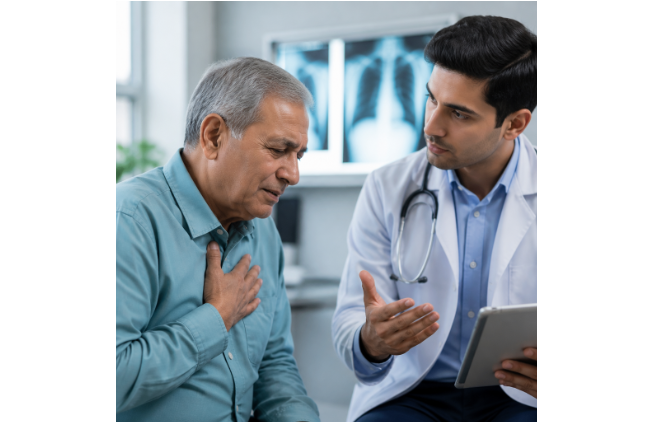
Respiratory health underpins every aspect of human function, yet many people only become aware of their lungs when something goes wrong. Pulmonary medicine addresses diseases of the airways, lungs, and respiratory system—conditions that range from manageable chronic issues to life-threatening emergencies. Knowing when to seek specialist care and what to expect from treatment can make the difference between deteriorating health and restored quality of life.
What Pulmonary Medicine Covers
Pulmonologists diagnose and treat a wide spectrum of respiratory conditions. Chronic obstructive pulmonary disease (COPD), which includes emphysema and chronic bronchitis, affects millions worldwide and requires ongoing management to slow progression. Asthma, though often managed by primary care physicians, may need specialist attention when symptoms prove difficult to control or when severe exacerbations occur.
Interstitial lung diseases form another major category—a group of disorders that cause progressive scarring of lung tissue. Pulmonary fibrosis, sarcoidosis, and occupational lung diseases fall under this umbrella. These conditions often present diagnostic challenges, requiring advanced imaging and sometimes lung biopsy to confirm.
Sleep-related breathing disorders, particularly obstructive sleep apnoea, also fall within the pulmonologist’s remit. Left untreated, sleep apnoea increases cardiovascular risk and impairs daily function. Pulmonary specialists work closely with sleep medicine teams to conduct polysomnography studies and prescribe continuous positive airway pressure (CPAP) therapy or alternative interventions.
Warning Signs That Warrant Specialist Evaluation
Persistent cough lasting more than three weeks deserves medical attention, especially when accompanied by blood-streaked sputum. Unexplained shortness of breath—particularly when it worsens over time or limits previously manageable activities—should prompt investigation. Recurrent chest infections, wheezing that does not respond to initial treatment, and chest pain associated with breathing all merit specialist assessment.
Occupational exposures present particular concerns. Workers in construction, mining, agriculture, and manufacturing may inhale harmful dusts, fumes, or fibres over years. Even after leaving such environments, respiratory symptoms can emerge or worsen. Early detection allows for intervention before irreversible damage occurs.
Diagnostic Approaches in Respiratory Medicine
Pulmonary function testing forms the cornerstone of respiratory diagnosis. Spirometry measures how much air you can exhale and how quickly, revealing obstructive or restrictive patterns. More detailed tests, such as lung volume measurements and diffusion capacity studies, provide additional insight into gas exchange efficiency and lung mechanics.
Imaging plays an equally vital role. High-resolution computed tomography (HRCT) scans detect subtle abnormalities that standard chest X-rays might miss. For suspected cancers or infections, bronchoscopy allows direct visualisation of the airways and collection of tissue samples. The procedure, performed under sedation, involves passing a thin, flexible tube through the nose or mouth into the lungs.
Finding Expert Respiratory Care
Access to subspecialised pulmonary care varies by region, but major medical centres typically house comprehensive respiratory departments. In Abu Dhabi, patients requiring advanced pulmonary evaluation and treatment can access services through institutions that follow international standards of care. Cleveland Clinic Abu Dhabi’s pulmonary medicine department offers diagnostic and therapeutic services for complex respiratory conditions, staffed by specialists trained in managing everything from chronic lung disease to critical respiratory failure. Those seeking consultation with the best pulmonologist in abu dhabi should consider centres that provide multidisciplinary care, integrating respiratory therapy, thoracic surgery, and intensive care when needed.
Treatment Modalities and Management Strategies
Medical management of lung disease has advanced considerably. Inhaled medications now target specific inflammatory pathways, and biologics—antibodies that modulate immune responses—have transformed asthma and COPD care for select patients. Pulmonary rehabilitation programmes combine exercise training, education, and behavioural support to improve function in people with chronic lung conditions.
For some patients, interventional procedures offer relief when medications alone prove insufficient. Bronchial thermoplasty reduces airway smooth muscle in severe asthma. Endobronchial valve placement can improve lung function in emphysema by redirecting airflow to healthier lung regions. Advanced cases of end-stage lung disease may require evaluation for lung transplantation, a complex process involving rigorous assessment and lifelong post-transplant care.
The Role of Allied Health in Respiratory Recovery
Physical therapy extends beyond musculoskeletal injury to encompass cardiopulmonary rehabilitation. Respiratory physiotherapists teach breathing techniques, airway clearance methods, and energy conservation strategies. These interventions prove particularly valuable after hospitalisation for pneumonia, exacerbations of chronic disease, or thoracic surgery. Much as structured rehabilitation aids recovery from trauma—similar principles apply whether recovering after a car accident or regaining lung capacity after illness—respiratory rehabilitation follows progressive, goal-oriented protocols tailored to individual limitations and objectives.
Navigating Complex Diagnostic Dilemmas
Some respiratory conditions defy straightforward diagnosis. Symptoms may overlap between diseases, imaging findings can be non-specific, and test results sometimes contradict clinical impressions. In such cases, pulmonologists collaborate with radiologists, pathologists, and other specialists through multidisciplinary tumour boards or interstitial lung disease conferences. These discussions ensure that all available evidence informs diagnostic conclusions and treatment plans.
Rare lung diseases present additional challenges. Lymphangioleiomyomatosis, pulmonary alveolar proteinosis, and various forms of vasculitis affecting the lungs require specialised knowledge and access to emerging therapies. Patients with such conditions benefit from centres that maintain active research programmes and connections to medical specialties focused on advancing understanding of uncommon respiratory disorders.
Long-Term Management and Quality of Life
Chronic lung disease demands sustained engagement with treatment regimens. Medication adherence, lifestyle modifications such as smoking cessation, and regular monitoring prevent complications and preserve function. Patients with progressive conditions face evolving needs—supplemental oxygen requirements may increase, mobility may decline, and psychological support often becomes necessary as disease impacts daily independence.
Modern pulmonary care increasingly recognises these holistic needs. Palliative care integration, once reserved for end-of-life scenarios, now begins earlier to address symptom burden and align treatment intensity with patient values. Shared decision-making ensures that patients understand their options, including the trade-offs between aggressive intervention and comfort-focused approaches.
Taking Action for Respiratory Health
Respiratory symptoms warrant prompt attention, not resignation. Early specialist involvement allows for accurate diagnosis and timely intervention, often preventing irreversible complications. Whether managing a new diagnosis or seeking a second opinion for persistent symptoms, choosing a pulmonology centre with comprehensive diagnostic capabilities and multidisciplinary expertise ensures access to the full range of modern respiratory medicine. Your lungs sustain every moment of your life—they deserve expert care when challenges arise.