Talc-Free Baby Powder: What Parents Should Know Before Choosing One
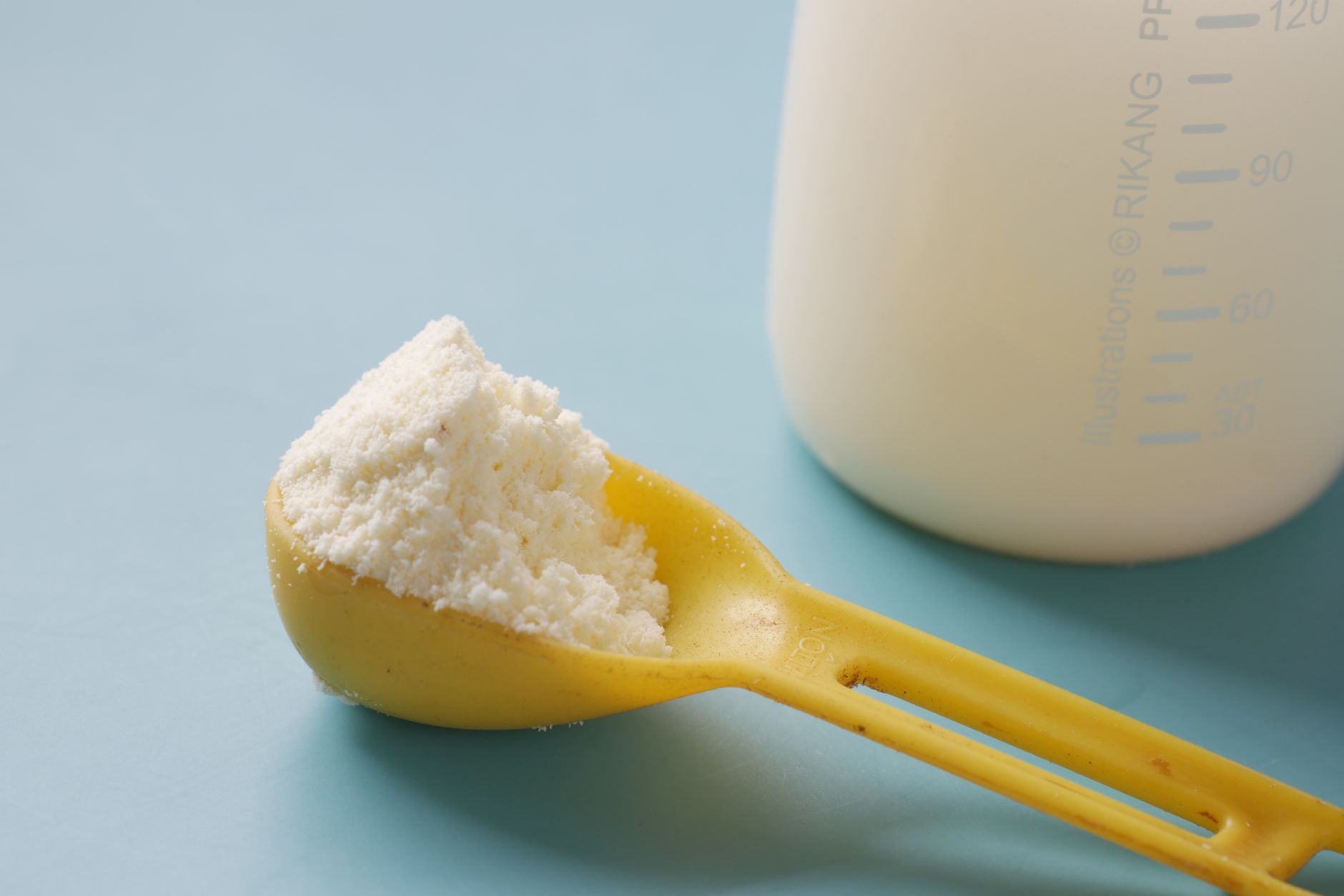
Baby powder has been a staple of the changing table for generations. Many of us grew up with the familiar soft scent and the cloud of white dust that came with every diaper change. Today, though, more parents are asking what’s actually in that bottle, and talc-free formulas have moved from niche option to the first choice for many families.
If you’re shopping for a powder for your little one, here’s what’s worth knowing before you add one to your cart.
Why parents are moving away from talc
Talc is a mineral that has been used in powders for decades because it absorbs moisture and feels silky on the skin. In recent years, though, many parents have become more cautious about it, partly because of concerns about inhaling fine particles and partly because they simply prefer simpler, plant-based ingredients. Pediatric guidance has long advised care with any loose powder around infants, especially near the face.
The result is a growing shelf of talc-free alternatives built on plant-derived ingredients instead.
What talc-free powders are usually made of
Most talc-free powders rely on plant starches and clays to do the same job: absorbing moisture and reducing friction. Common ingredients include:
- Arrowroot powder, a fine, silky starch that absorbs moisture well
- Cornstarch, an affordable and widely used absorbent
- Tapioca starch, light and smooth on the skin
- Kaolin clay, a gentle clay that helps keep skin feeling dry
- Botanicals such as chamomile or lavender, sometimes added for a soft, calming scent
Families managing gluten sensitivities may want to look specifically for gluten-free formulas, since some starches can come from grain sources.
What to look for on the label
A good talc-free powder doesn’t need a long ingredient list. In fact, shorter is often better. When comparing options, check for:
- A full, readable ingredient list. You should be able to recognize most of what’s in the bottle.
- Certified organic ingredients, if that matters to your family.
- Hypoallergenic formulas made with sensitive skin in mind.
- No unnecessary additives. Many parents prefer powders without parabens or synthetic fragrance.
- Thoughtful packaging. A secure, child-resistant top that releases powder slowly helps prevent spills and keeps curious hands out.
Some of the most trusted options come from small, family-run makers who started by solving a problem at home. Mavey Jaymes, for example, began when a father mixed a simple five-ingredient organic powder on his kitchen counter to help his son’s diaper-area redness. It’s a good reminder that the best products often come from parents who needed them first.
How to use baby powder safely
Even the gentlest powder should be used with a little care:
- Shake it into your hand first, away from your baby, then pat it onto the skin.
- Keep it away from the face so your baby doesn’t breathe it in.
- Apply to clean, fully dry skin. Powder works best as a preventive layer, not on top of moisture.
- Use a light touch. A thin layer is enough.
- Store it out of reach, even if the cap is secure.
When powder helps most
Powder is especially useful in warm weather, in skin folds, and in the diaper area, where moisture and friction build up. Many families also find it handy for toddlers who are active and sweaty, or even for adults on hot days.
If your baby’s skin is broken, very red, or doesn’t improve after a few days, check in with your pediatrician before using any product.
The bottom line
Choosing a talc-free powder comes down to simple ingredients, honest labeling, and packaging that fits real family life. Take a minute to read the label, start with a small amount, and watch how your baby’s skin responds. Sometimes the simplest products make the biggest difference.