
Recognizing When Life’s Challenges Begin to Affect Emotional and Mental Health
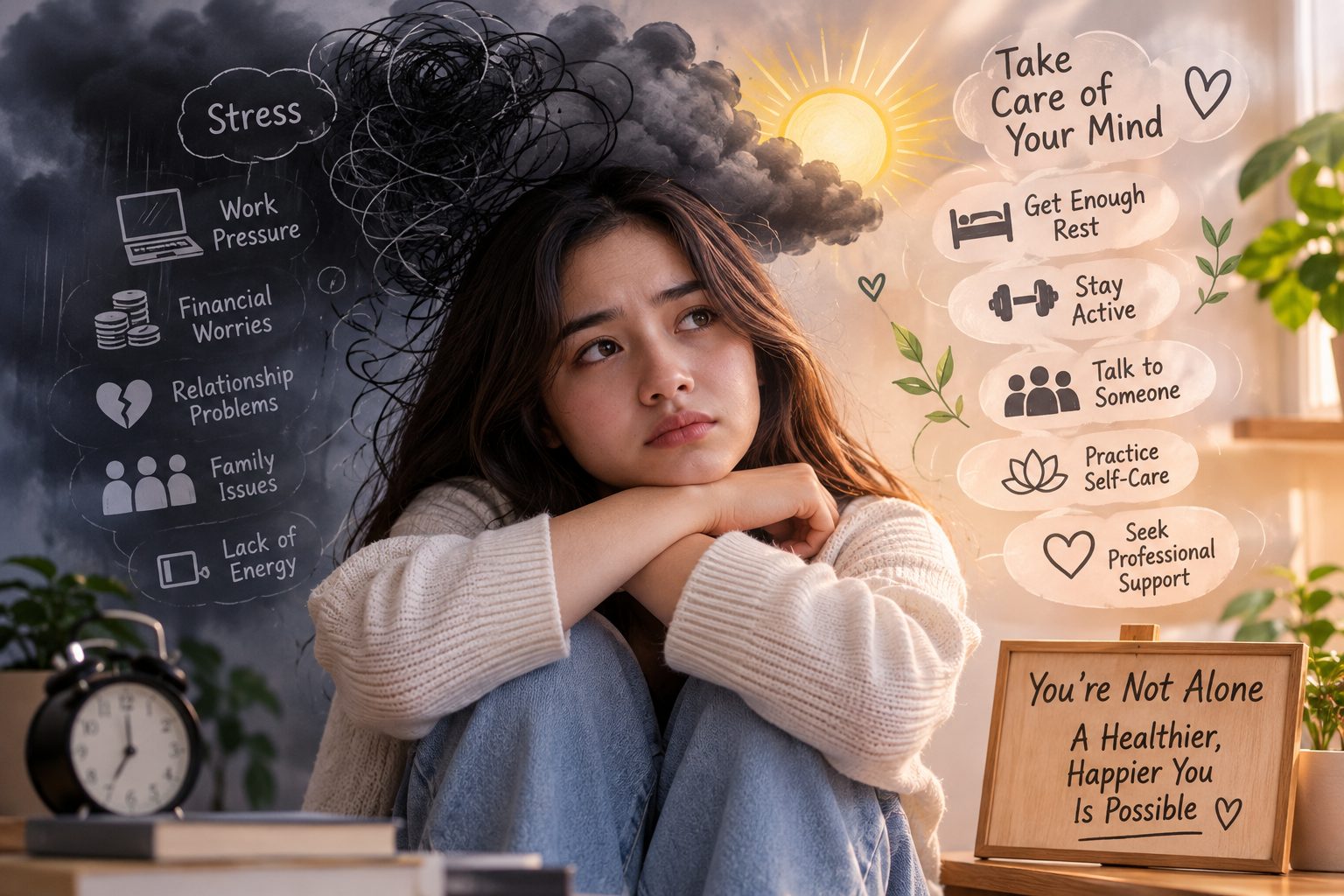
Life has a way of presenting challenges when people least expect them. Sometimes, these difficulties come from work responsibilities, financial pressure, family disagreements, relationship problems, or unexpected changes that disrupt everyday routines. While dealing with occasional stress is a normal part of being human, carrying emotional burdens for too long can gradually affect how a person thinks, feels, and interacts with the world around them.
What makes these experiences difficult is that their effects are not always immediately noticeable. A person may continue going to work, attending family gatherings, and completing daily responsibilities while quietly struggling with emotions they cannot easily explain. Over time, however, unresolved stress and emotional exhaustion can become harder to manage.
Recognizing when life's challenges begin to affect emotional and mental health is an important step toward understanding personal needs, developing healthier habits, and knowing when additional support may be necessary.
When Everyday Stress Becomes Something More
Everyone experiences stressful situations. A demanding week at work, an argument with someone close, or uncertainty about the future can temporarily affect a person's mood. Usually, these feelings become easier to manage once the situation improves or enough time has passed.
However, there is a difference between experiencing temporary stress and feeling emotionally overwhelmed for an extended period.
When problems continue without an opportunity to rest and recover, stress can begin influencing everyday behavior. Someone who once enjoyed social activities may start avoiding invitations. Another person might find it difficult to concentrate, even when completing simple responsibilities.
These changes do not necessarily mean someone is experiencing a mental health condition, but they can indicate that emotional well-being needs attention.
Paying attention to these patterns allows people to recognize their struggles before they become more difficult to manage.
Emotional Changes That Are Easy to Overlook
Emotional struggles do not always appear as sadness or obvious distress. Sometimes, they show up through small changes in personality, reactions, and everyday interactions.
For example, someone dealing with prolonged stress may become unusually impatient, frustrated, or sensitive to situations that previously would not have bothered them. Others may experience feelings of emptiness, loneliness, or a lack of motivation without understanding exactly where those emotions come from.
Another common experience is losing interest in activities that once brought happiness. Hobbies, conversations, and social gatherings may begin to feel exhausting rather than enjoyable.
These emotional changes are easy to dismiss, especially when people believe they should remain strong regardless of their circumstances. However, acknowledging difficult feelings is not a sign of weakness. It is part of understanding what is happening internally.
For individuals experiencing persistent emotional difficulties, exploring mental health treatment center resources may help them better understand their experiences and recognize what kind of professional support could be appropriate.
How Mental Struggles Can Affect Physical Health
Emotional well-being and physical health are closely connected. When someone experiences prolonged stress, the body may respond in ways that affect sleep, energy, appetite, and overall comfort.
Some people find themselves lying awake at night because their minds cannot stop thinking about unresolved problems. Others may sleep longer than usual but still wake up feeling exhausted.
Changes in eating habits can also occur. Stress may cause someone to lose their appetite, while others turn to food for temporary comfort. Headaches, muscle tension, stomach discomfort, and persistent fatigue may also accompany periods of emotional strain.
Although these symptoms can have several possible causes, recurring physical discomfort should not automatically be ignored.
Recognizing the connection between physical and emotional well-being encourages people to look beyond surface-level symptoms. Taking care of the body is important, but understanding the emotional factors behind certain changes can be equally valuable.
The Impact on Relationships and Daily Responsibilities
Personal struggles rarely remain isolated. When emotional health begins to decline, relationships and everyday responsibilities can also become affected.
A person who feels overwhelmed may withdraw from friends and family because conversations require more energy than they currently have. Even simple misunderstandings can turn into arguments when someone is already emotionally exhausted.
In the workplace, difficulties with concentration, decision-making, and motivation may become more noticeable. Tasks that once felt manageable might suddenly seem overwhelming.
Family responsibilities can also become challenging. Parents, partners, and caregivers may feel guilty when they cannot give others the attention they normally would.
Unfortunately, these situations can create an ongoing cycle. Emotional difficulties affect relationships, strained relationships create additional stress, and the added pressure makes emotional recovery even harder.
Understanding this connection helps people approach their struggles with greater patience. Instead of assuming someone has become distant or uninterested, it may be helpful to consider whether they are dealing with something emotionally difficult.
Why People Sometimes Ignore the Warning Signs
Despite experiencing noticeable changes, many individuals hesitate to acknowledge that they are struggling.
One reason is the expectation that people should handle their problems independently. Some believe asking for help means they have failed to manage their responsibilities. Others worry about being judged, misunderstood, or treated differently.
There are also people who become so accustomed to feeling stressed that emotional exhaustion starts to seem normal. They continue pushing themselves because they believe everyone else is dealing with similar difficulties.
Unfortunately, ignoring emotional concerns does not always make them disappear.
Recognizing personal limitations is an important part of maintaining a healthy relationship with oneself. Everyone has different emotional needs, and there is no universal timeline for overcoming difficult experiences.
A mental health treatment center may be one option for individuals who need a structured environment to explore ongoing emotional concerns with qualified professionals. Learning about available approaches can help remove some of the uncertainty surrounding professional mental health support.
Building Healthier Ways to Cope With Difficult Experiences
Although people cannot control every situation they encounter, they can gradually develop healthier ways to respond to stress.
Small adjustments to everyday routines can make a meaningful difference. Getting enough sleep, maintaining regular meals, spending time outdoors, and incorporating physical activity can support overall well-being.
It is equally important to create opportunities for emotional rest. Taking breaks from demanding responsibilities, limiting unnecessary distractions, and making time for enjoyable activities can help reduce feelings of constant pressure.
Talking with someone trustworthy can also provide comfort. Sharing personal concerns with a friend, family member, or supportive individual may help people feel less isolated. Sometimes, simply expressing thoughts aloud makes difficult situations easier to understand.
However, self-care should not be viewed as a replacement for professional assistance when emotional struggles become persistent or interfere with daily life.
Depending on individual circumstances, a mental health treatment center can provide access to professional guidance, structured support, and opportunities to better understand emotional and psychological challenges.
The goal is not to eliminate every difficult feeling but to develop healthier responses that make everyday life more manageable.
Knowing When Professional Support May Be Necessary
There is no need to wait until life becomes completely unmanageable before seeking help. In fact, recognizing the need for additional support early can make it easier to address concerns before they become more overwhelming.
Professional guidance may be worth considering when sadness, anxiety, irritability, or emotional exhaustion continues for an extended period. Other warning signs include withdrawing from relationships, struggling to complete daily responsibilities, experiencing significant sleep changes, or losing interest in activities that once mattered.
A mental health treatment center may offer different approaches depending on a person's circumstances, needs, and professional assessment. These may include therapeutic conversations, personalized care planning, and other evidence-informed approaches.
Seeking help does not mean someone is incapable of handling life's responsibilities. It simply means recognizing that certain challenges may require more support than personal coping strategies alone can provide.
For anyone experiencing thoughts of self-harm or suicide, immediate support from emergency services or a qualified crisis professional is especially important.
Moving Forward With Greater Self-Awareness
Life will always involve uncertainty, unexpected changes, and situations that test emotional strength. While difficult experiences cannot always be avoided, people can learn to recognize how those experiences affect their well-being.
Sometimes, progress begins with something simple: admitting that things have become difficult, allowing time to rest, or having an honest conversation about personal struggles.
Emotional health deserves the same attention as physical health. Recognizing changes in mood, behavior, relationships, and daily habits can help people understand when something needs to change.
Ultimately, taking care of mental well-being is not about maintaining a perfect emotional state. It is about developing self-awareness, accepting that everyone has limitations, and understanding that asking for support is a reasonable part of moving forward.
With patience, healthier coping habits, and appropriate guidance, individuals can begin finding balance again and approach life's challenges with a stronger sense of understanding and confidence.