
What to Do After a Motorcycle Accident in Lompoc, CA
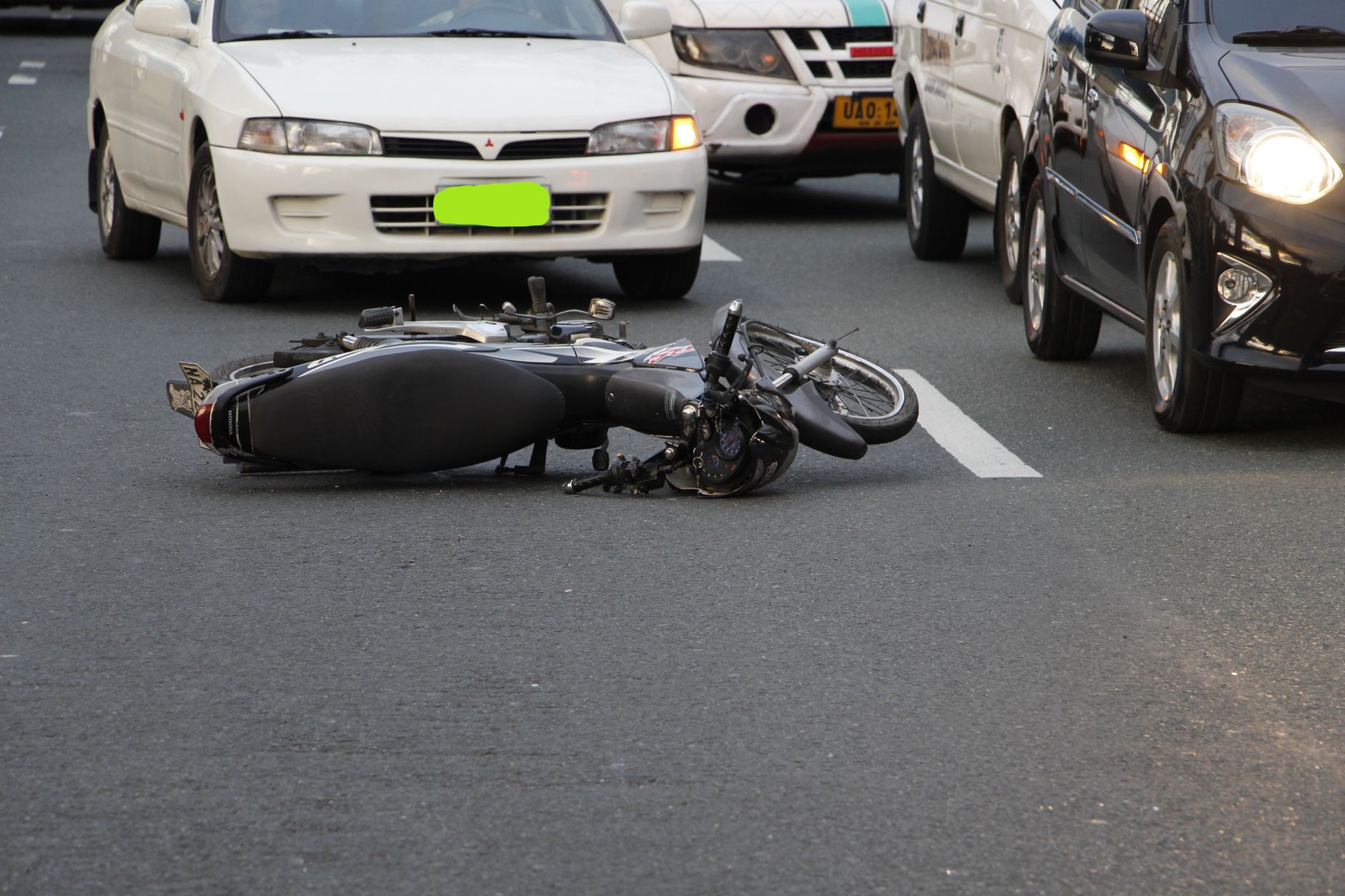
A motorcycle crash can turn a normal ride into weeks or months of recovery. One moment you are heading across town or out on an open highway, and the next you are dealing with injuries, a damaged bike, and calls from insurance companies. Speaking with a motorcycle accident lawyer in Lompoc, CA can help you understand your rights before you make choices that are hard to undo.
The steps you take in the first few days after a crash can affect both your health and any claim you decide to bring. This guide explains what to do at the scene, how California law treats motorcycle claims, and which mistakes can lower the value of a case. It also covers when it makes sense to get legal advice.
Why Motorcycle Crashes Often Cause Serious Injuries
Riders do not have seat belts, airbags, or a steel frame around them. In a collision, a rider can be thrown onto the pavement or into another vehicle. That often leads to broken bones, road rash, spinal injuries, and head trauma, even at fairly low speeds.
Many of these crashes start with a driver who simply did not see the motorcycle. Left turns at intersections, unsafe lane changes, car doors opened into traffic, and tailgating are common causes. Distracted driving, speeding, and driving under the influence add to the danger for everyone on the road.
Riding In and Around Lompoc
Lompoc sits in the Lompoc Valley of northern Santa Barbara County, a short drive from the coast and right next to Vandenberg Space Force Base. Riders here share the road with commuters heading to the base, farm trucks moving between flower and vegetable fields, and visitors touring the Santa Rita Hills wine area. Highway 1 and Highway 246 carry much of this traffic, while streets like Ocean Avenue and H Street stay busy through the day.
Local conditions bring their own risks. Morning fog rolling in from the ocean can cut visibility, and rural roads may have gravel, dirt tracked out by farm equipment, or uneven pavement. Highway 246 toward Buellton and Solvang is a favorite weekend ride, so motorcycles often mix with tourists who do not know the roads well.
What to Do Right After the Crash
Your health comes first. If you can move safely, get out of traffic and call 911. Let paramedics check you even if you feel fine, because adrenaline can hide the signs of a concussion or internal injury.
If you are able, gather information at the scene before it disappears:
- Photos of your motorcycle, the other vehicle, skid marks, road conditions, and your injuries
- The other driver’s name, phone number, license, and insurance details
- Names and phone numbers of any witnesses
- The responding officer’s name and the report number
See a doctor soon after the crash and follow the treatment plan. In California, you also need to report the crash to the DMV within 10 days if anyone was hurt or if property damage was more than $1,000. This report is separate from the police report.
How California Law Affects Your Claim
California uses a pure comparative fault system. Your compensation can be reduced by your share of the blame, but you can still recover something even if you were partly at fault. For example, if you are found 20 percent at fault and your damages total $100,000, you could still recover $80,000.
This rule matters because insurance companies often try to shift blame onto riders. Lane splitting is legal in California, but an insurer may argue that you did it in an unsafe way. California also requires every rider and passenger to wear a helmet that meets federal safety standards, and skipping one may be used to argue that head injuries were worse than they had to be.
Timing is important too. Most injury lawsuits in California must be filed within two years of the crash. If a city, county, or state agency may be responsible, such as for a dangerous road, a formal claim usually has to be filed within six months.
Dealing With Insurance Companies
An adjuster from the other driver’s insurance company may call within a few days. They may ask for a recorded statement or offer a fast settlement. Keep in mind that the adjuster works for the insurance company, and their job is to keep the payout low.
Before you accept any offer, make sure you know the full cost of your injuries. That includes medical bills, future treatment, lost wages, damage to your bike and gear, and the ways the injury affects your daily life. Once you sign a settlement, you usually cannot ask for more money later, even if your injuries turn out to be worse than you thought.
Safe Riding Habits That Lower Your Risk
No rider can control every driver, but good habits can lower the odds of a crash. Wear a helmet and protective gear, use bright colors or reflective strips, and keep your headlight on so drivers can spot you. Check your tires and brakes often, leave plenty of space in traffic, and never ride when tired or after drinking.
Training helps too. The California DMV Motorcyclists Guide links to the state motorcycle handbook, licensing steps, and the CHP-approved rider training course. Completing that course can sharpen your skills, and the certificate can be used to waive the DMV riding skills test.
Frequently Asked Questions
How long do I have to file a motorcycle accident claim in California? In most cases, you have two years from the date of the crash to file an injury lawsuit. Claims against a government agency have a much shorter deadline, usually six months.
Can I still recover money if I was partly at fault? Yes. Under California’s comparative fault rule, your award is reduced by your share of the blame, but it is not wiped out.
Should I talk to the other driver’s insurance company? You should report the crash to your own insurer, but be careful with the other driver’s company. It is often wise to get legal advice before giving a recorded statement or signing anything.
Final Thoughts
A motorcycle crash can leave you with pain, missed paychecks, and a stack of questions all at once. Getting medical care, saving evidence, and keeping good records are the first steps that protect both your recovery and your claim. From there, a local attorney can review the facts, deal with the insurance company, and help you pursue fair compensation while you focus on healing.