Recovering After a Car Accident: A Guide to Physical, Emotional, and Practical Healing
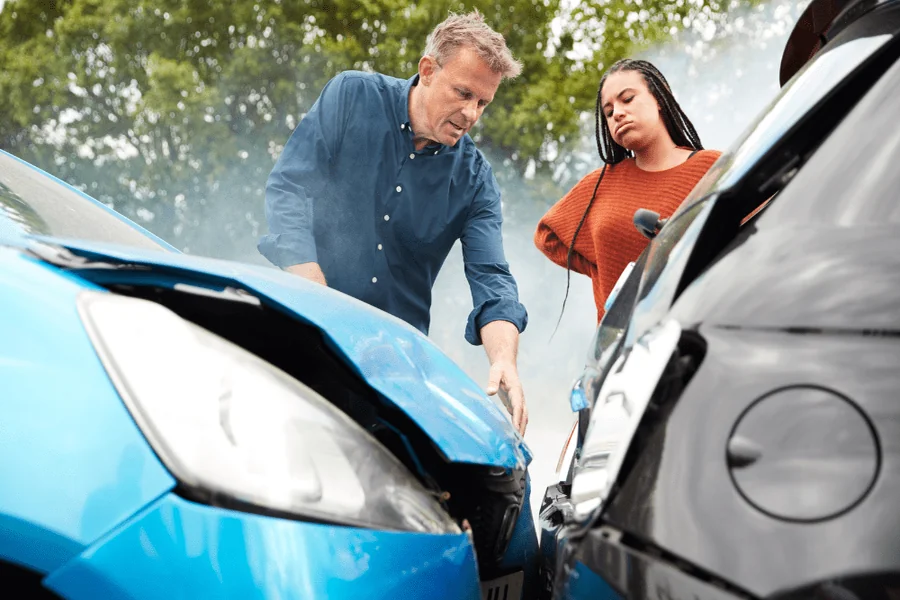
A car accident can be a life-changing experience that affects much more than just your vehicle. In the moments after a crash, people often focus on immediate safety, medical care, and repairing the damage. However, true recovery involves healing physically, managing emotional stress, and rebuilding confidence behind the wheel. Every person’s recovery journey is different, but understanding the steps involved can make the process feel more manageable.
Prioritize Your Physical Recovery
The first step after a car accident is taking care of your health. Even if injuries seem minor at first, it is important to seek medical attention because some conditions may not appear immediately. Injuries such as whiplash, soft tissue damage, or concussions can develop symptoms hours or even days after a collision.
Following a doctor’s recommendations is essential for a successful recovery. This may include attending physical therapy, taking prescribed medication, resting properly, or following specific activity guidelines. For people who have difficulty traveling after an accident, mobile physiotherapy can provide convenient rehabilitation support by allowing qualified therapists to deliver treatment and exercises in the comfort of the patient’s home.
Recovery also depends on supporting your body through healthy habits. Eating nutritious meals, staying hydrated, getting enough sleep, and performing approved exercises can help your body regain strength. Patience is important, as healing does not always happen as quickly as people hope.
Address the Emotional Impact
The emotional effects of a car accident are just as real as physical injuries. Many people experience fear, anxiety, frustration, or sadness after a crash. It is common to feel nervous about driving again or to replay the accident in your mind.
Acknowledging these feelings is an important part of recovery. Ignoring emotional stress can make it harder to move forward. Talking with trusted friends, family members, or a mental health professional can provide valuable support.
Some people benefit from gradually returning to driving rather than forcing themselves back into stressful situations. Starting with short trips in familiar areas can help rebuild confidence. Over time, positive experiences on the road can replace some of the fear associated with the accident.
Manage the Practical Challenges
A car accident often creates practical problems that can add stress during recovery. Medical appointments, insurance claims, vehicle repairs, and financial concerns can feel overwhelming. Creating a plan and handling tasks one step at a time can make the process easier.
Keep records of important information related to the accident, including medical documents, repair estimates, insurance communications, and expenses. Staying organized can help you track progress and provide necessary information when dealing with insurance companies or other involved parties.
If the accident has affected your ability to work, communicate with your employer about your situation. Many workplaces can provide temporary adjustments while you recover. Asking for support when needed is a responsible step toward protecting your health.
Rebuild Confidence and Return to Daily Life
Returning to everyday activities after an accident can take time. Some people may feel frustrated if they cannot immediately do everything they did before. Setting realistic goals can help create a sense of progress.
Celebrate small improvements, whether it is completing a physical therapy session, driving a short distance, or returning to a favorite activity. Recovery is not only about reaching the final goal; it is also about recognizing each step forward.
It can also help to prepare yourself for future driving situations. Reviewing safe driving habits, maintaining your vehicle, and staying aware on the road can increase your sense of control. While an accident can change how you view driving, it does not have to define your relationship with it forever.
Give Yourself Time to Heal
Recovery after a car accident is a process that involves both physical and emotional adjustment. Some people heal quickly, while others need months or longer to fully recover. Comparing your progress to someone else’s can create unnecessary pressure.
The most important thing is to listen to your body, seek support when needed, and take recovery one step at a time. Healing requires patience, but with proper care and support, many people are able to regain their health, confidence, and sense of normalcy after an accident.
A car accident may be an unexpected interruption in life, but recovery is possible. By focusing on health, emotional well-being, and practical solutions, survivors can move forward and build a stronger future.